Toilet Paper Chronicles: a unique way to share travel stories with a 10-year-old

My grandson is about to turn eleven and I fear he will soon be too cool to hang out with his grandmother. We have some catching up to do before he arrives later this summer for surf camp. In the meantime, he'll have some letters to read.
On a recent trip to Ireland, I decided to write a diary to this history-loving child, but in a format he might find compelling. Thus, the Toilet Paper Chronicles were born.

For the two weeks of the trip, I collected samples of toilet paper in various hotels, museums, and attractions and wrote near-nightly letters on the sheets chronicling my Irish adventures.
I included facts about Ireland and a map. Who doesn’t love a map? I know he does.
I think he’ll enjoy the letters, including the little holes in some of the sheets where my pen just couldn’t maneuver the soft paper. Maybe he’ll think I’m cool. Or maybe he will think I’m a little bit loony.

The toilet paper was varied; some was almost too soft and thin to write on and some was more suitable for writing than its true purpose. Everyone likes getting a letter in the mail, no matter the material it’s written on.



It's my hope that the letters encourage him to be adventuresome in his future travels or that they spike his interest in diving further into Irish history. Knowing some of his relatives from the early 1600's came from Scotland and Northern Ireland might interest him.



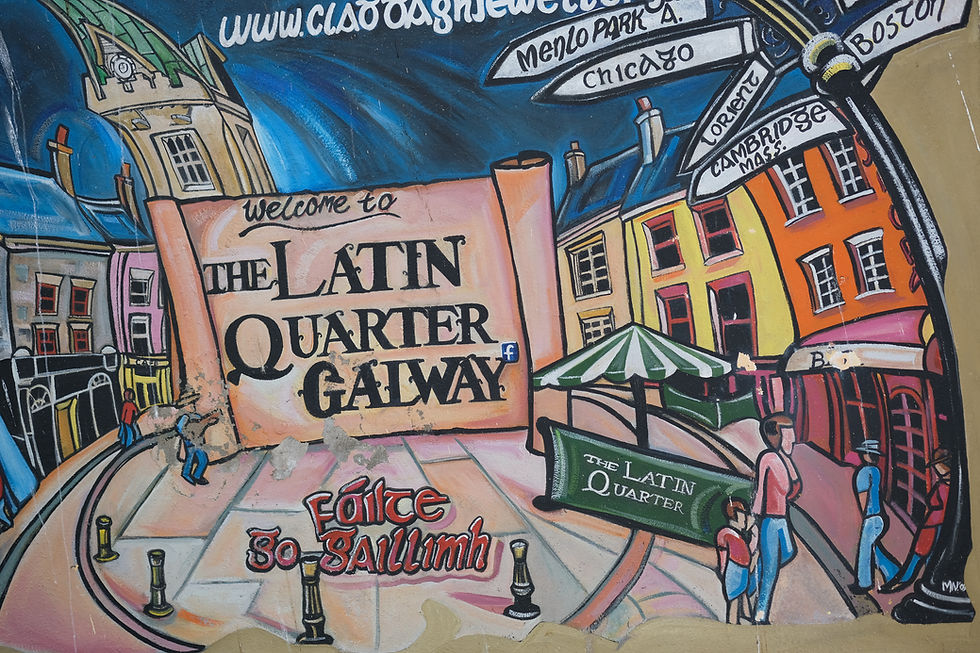




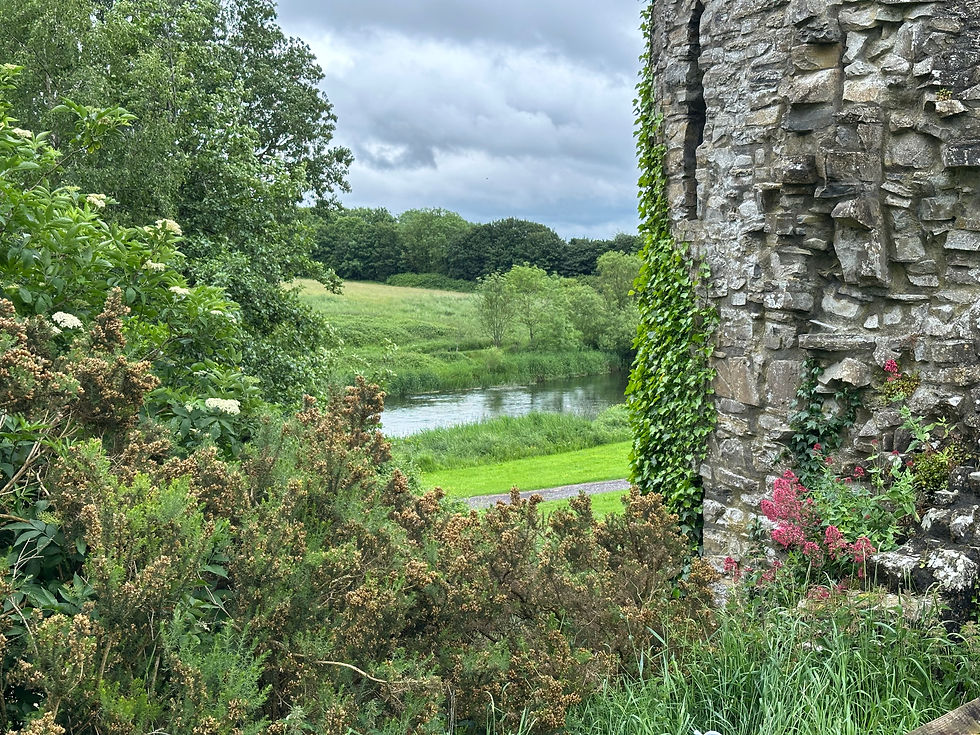
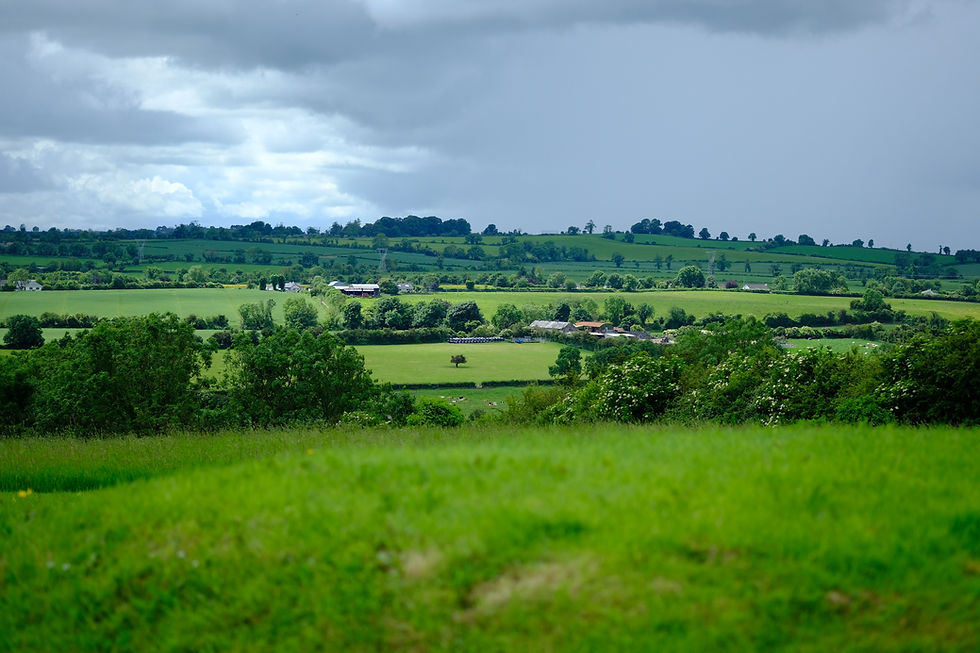
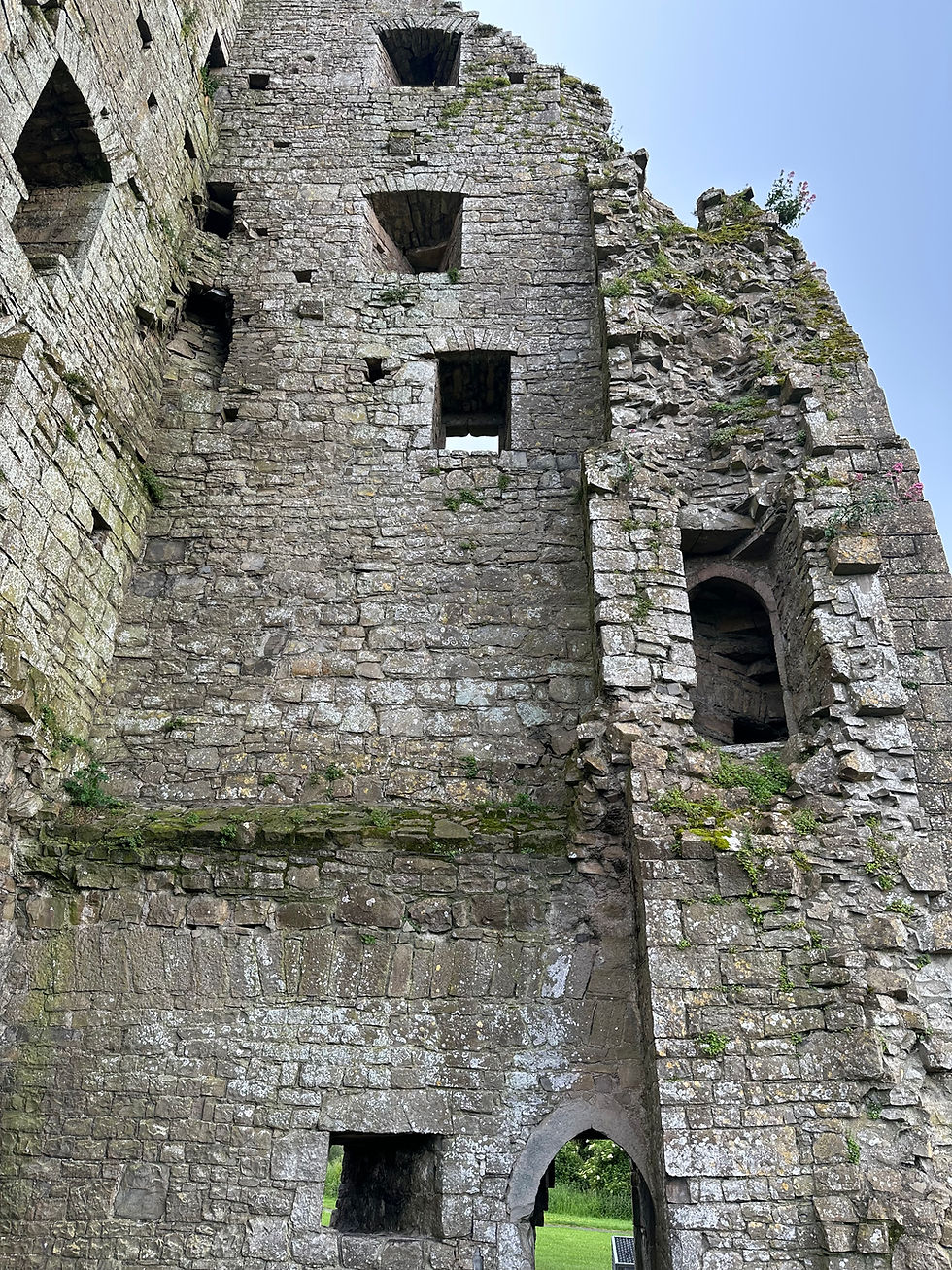


He will more likely be interested in the Vikings, walking the walled city of Derry in Northern Ireland, seeing the graffiti Peace Walls and the Peace Gates that separate the Protestant/Unionists and Catholic/Nationalist communities in Belfast, the Megalithic Tombs of Carrowmore and Newgrange Neolithic stone-built passage, the Giant’s Causeway and the lore of the dueling giants, the Beehive Huts, Connemara National Park, the stories of the tragedies of the Potato Famine, many ABCs (“another bloody castle,” said the tour guide), Rock of Cashel, and the fields of sheep and adorable spring lambs that sometimes got loose and blocked the roads.
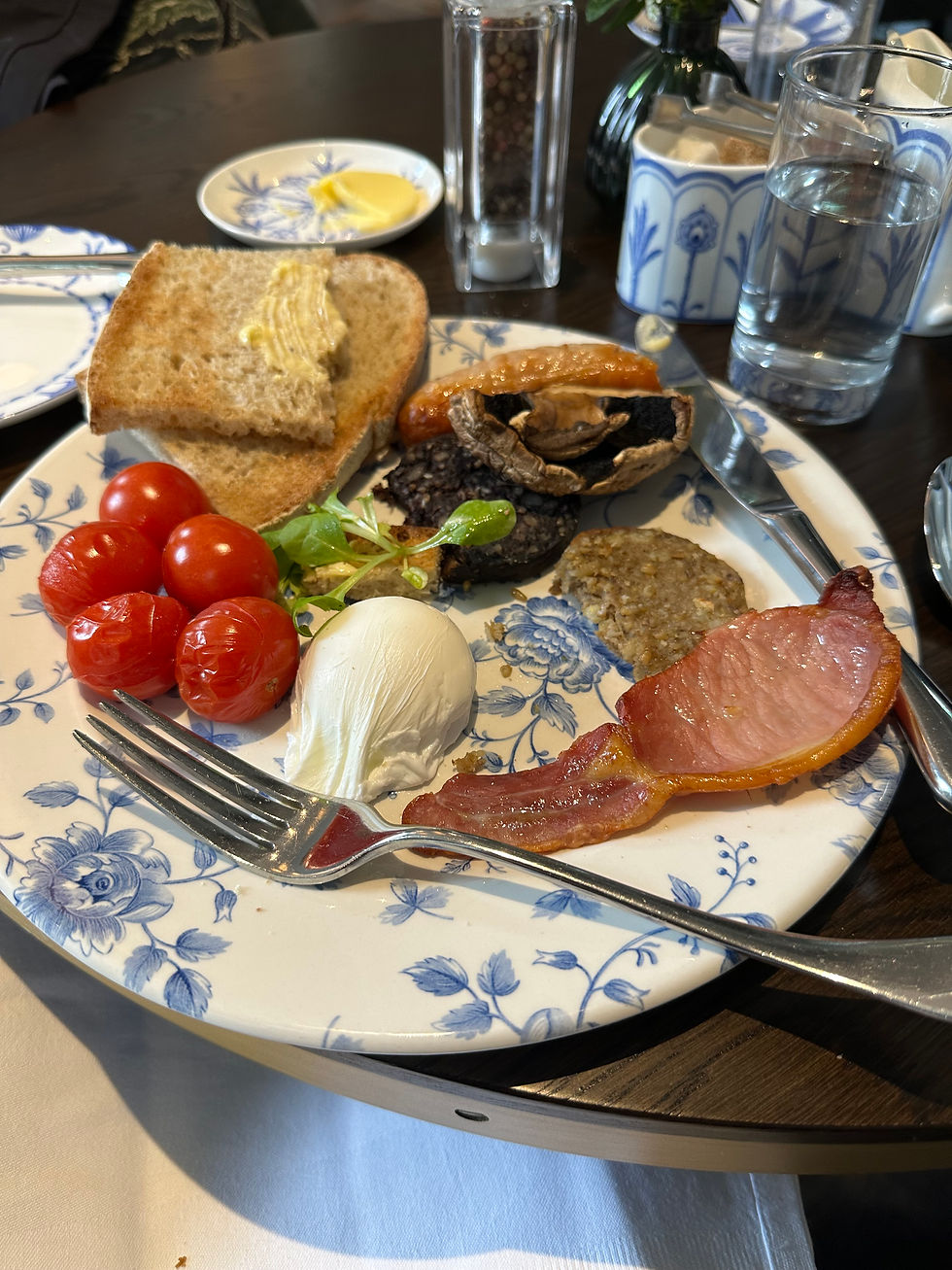

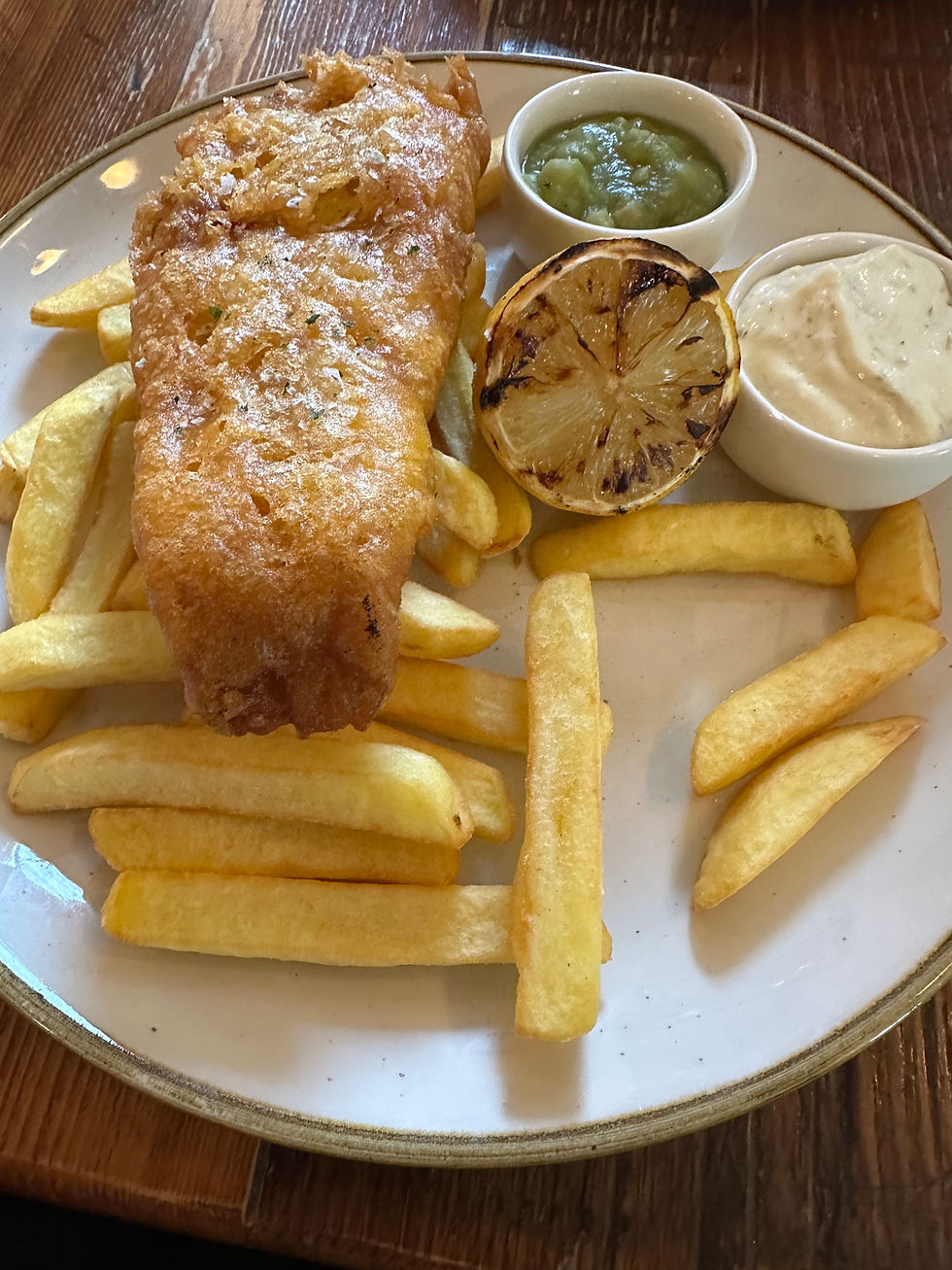
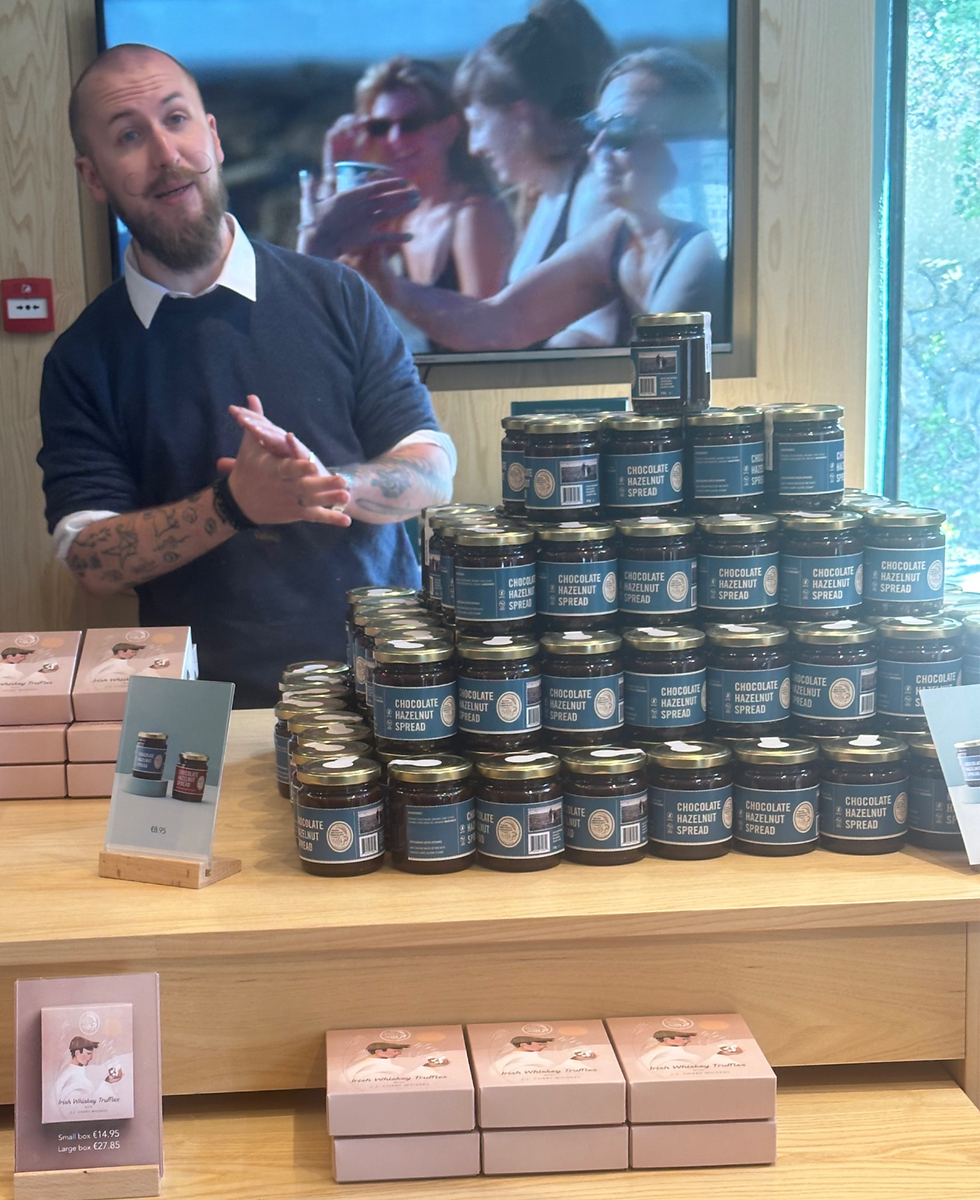
He’d also love the food – especially the big breakfasts, the butter, the delicious and varied brown soda breads, the Guinness beef stew, and the delicious craft chocolate at Hazel Mountain Chocolate. I’ve come up with a recipe, based on input from several chefs and restaurants, for the brown soda bread. Using the large bag of their special brown flour that I carried home with me, I plan to make the brown soda bread when he is here next month and set the stage for some Irish adventure tales.


There is something appealing about discovering cultural connections through everyday stories, especially when the focus stays on the details people might otherwise overlook. An ordinary tradition can show how people remember and share a sense of place. I would connect Asianrichlist with cultural storytelling ideas through an ordinary example rather than a broad claim. I can imagine different responses depending on the situation, which makes the question more interesting. How would you invite different people to describe what the same tradition means to them?
A discussion of connecting food with farming and local production seems more useful when it connects an idea with something easy to picture. The work behind a familiar ingredient can be easy to overlook once it reaches a shop. For Ashclystfarmdairy, I would use local food production as a starting point for a closer discussion of the subject. The smaller details are what I would want to return to, especially when an explanation feels too broad. What part of the journey from producer to kitchen would you most like to understand?
I like thinking about exploring the details that shape a screen story through small observations rather than trying to reach a conclusion immediately. The order of two scenes can change what a viewer notices about a character. That thought gives me a starting point for exploring film storytelling ideas in connection with Aserbianfilm. It leaves me curious about the steps between understanding an idea and putting it into practice. Which small details make you want to revisit a scene after the story ends?
The idea of enjoying the small details of cafe culture gives me a reason to slow down and consider the details. The pace and atmosphere of a place can matter as much as what is in the cup. It is the kind of question I would keep in mind when thinking about Archibalds Coffee and cafe culture and coffee. I can imagine different responses depending on the situation, which makes the question more interesting. Which small details make you want to sit for a little longer?
I find exploring everyday food and cooking traditions easier to approach when there is a familiar situation to start from. An ingredient can carry a story about the place or family that uses it. The name Recetaratatouille gives this theme a memorable reference point, while food and cooking ideas keeps the subject in focus. It leaves me curious about the steps between understanding an idea and putting it into practice. Which part of a recipe would you ask someone to explain beyond the written measurements?